
The Culture Reset
A systemic culture change journey for scaling organizations.
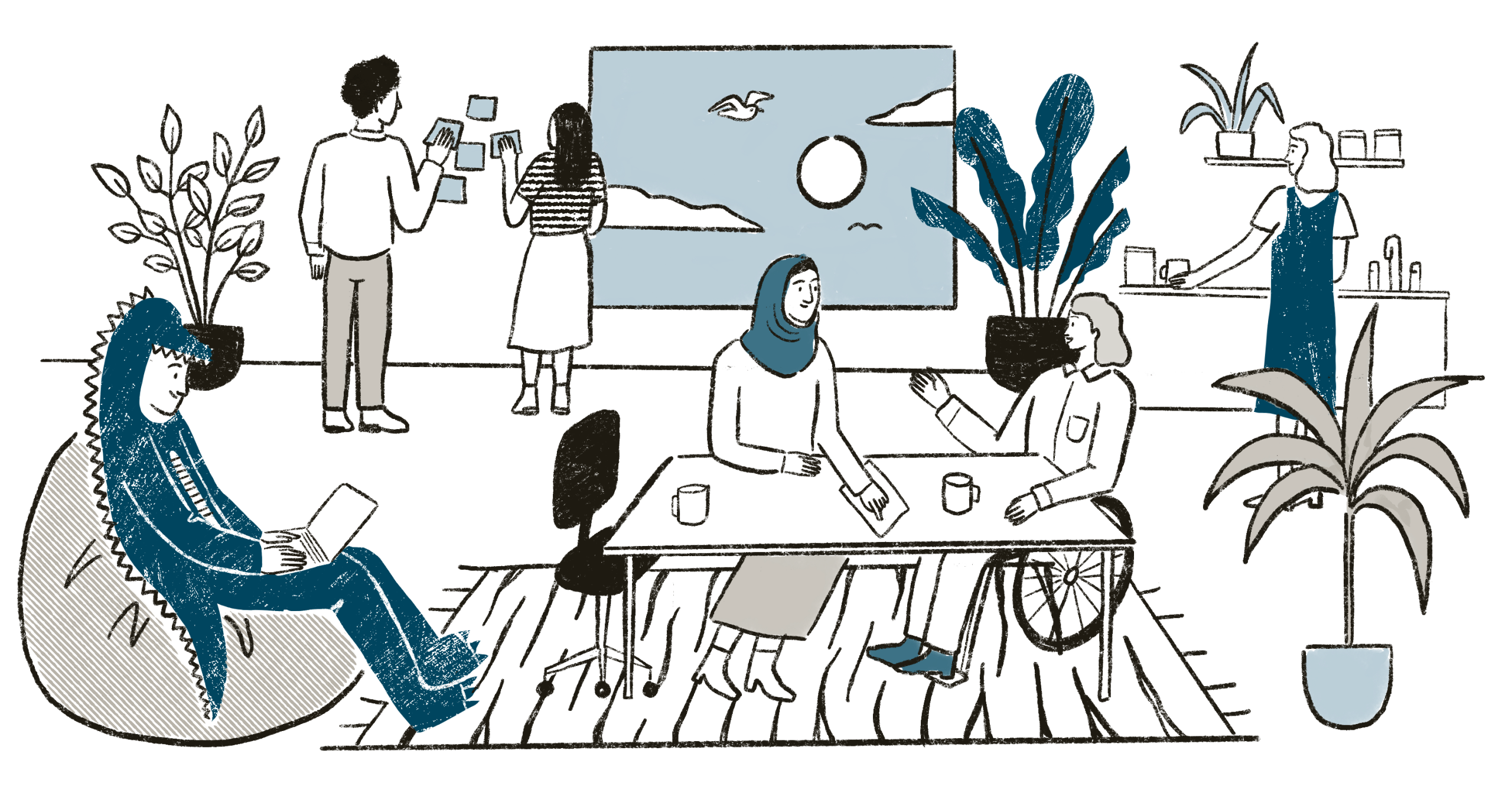
Expansion and other moments of change bring common challenges. Departments stop talking to each other. People have meetings about meetings instead of taking action. Trust in leadership wanes. Where there should be professionalism and respect, toxic behaviour seeps in. Quality falls.
If you recognise these problems, you’re probably also seeing impact on staff retention, productivity, and the bottom line. But a turnaround is possible.
Creating the conditions for brilliance
Culture is a powerful thing. If you’re not designing it with intention, you’re not setting your business up for success. When it goes wrong, it’s costly but getting it right means:
- Improved productivity
- Higher quality output
- More innovation
- Better retention and attraction of talent
The Culture Reset gives you the insight, structure, and support you need to reshape the systems, processes, and practices that drive how people work together.
This is about helping your people do their best work, equipping your leaders to steer the business towards greatness, and building an organization resilient enough to navigate future challenges.
Why The Culture Reset is different
Where most culture interventions aim to change behavior, we redesign the system that produces that behavior.
The Culture Reset isn’t a program that runs alongside business-as-usual. It’s a deep and transformative operational redesign – a serious commitment, with profound and far-reaching benefits.
Organizations we've helped






Working with PSI has challenged us to think differently about everything we do – a much-needed change of mindset.
Encirc (manufacturing business)
Our Principles
Diagnosis-driven
Understanding what’s not working and getting to root causes is essential.
During a full diagnostic of your business, we review existing data (from employee engagement surveys, for example), and use our award-winning tool Lux to reveal individual and team dynamics across the organization. Interviews, observations, and conversations help us build a clearer picture of what’s going on.
Ecosystem-aware
Culture is an interconnected ecosystem that must be managed accordingly.
Our unique Psychological Safety Ecosystem framework means no aspect of workplace dynamics gets overlooked, and we use this framework to map out the biggest opportunities for change.
This wide-ranging redesign of your organization’s operating system will build stronger foundations across areas including governance, decision rights, role design, and performance management. The outcome? A culture defined by clarity, accountability, and the collective pursuit of excellence.
Anti-fragile
Psychological safety is at the heart of healthy, high-performing cultures.
Organizations often rely on the courage of individuals to share ideas, ask questions, or flag concerns. This is a flawed and fragile approach. Demanding bravery doesn’t work, and the felt sense of safety isn’t something you can train.
Instead, we design safety into the system itself. This means rethinking how decisions get made, who has authority over what, who’s accountable for what, and how review cycles are handled. Courage and creativity naturally emerge when the system feels safe.
We’d love to discuss what this journey could look like for your business
Frequently asked questions
Which types of organizations is The Culture Reset best suited to?
The Culture Reset is designed for larger, complex organizations where scale makes culture hard to manage: typically multi‑site or multi‑country enterprises with layered governance, significant risk exposure, and a need for systemic change rather than isolated team interventions.
How do we know we have a culture problem, not a strategy, structure, or capability problem?
We start with diagnosis, not assumptions. We look at strategy, structure, capabilities, and culture together. If the real constraints sit elsewhere, we’ll say so and adjust or sequence the work accordingly.
What conditions need to be in place for The Culture Reset to succeed in our org?
You’ll need committed executive sponsorship, clear ownership, and enough stability and maturity to act on findings.
What are the common failure modes in culture change at this scale, and how will you help us avoid them?
Failure often comes from treating culture as a campaign, delegating it to HR, or bolting it onto BAU. We avoid that by redesigning the operating system, securing executive ownership, and leading implementation from start to finish. Along the way, we build your internal capability so you can confidently take the reigns at the end.
How will this work integrate with our existing transformation, DEI, or leadership programmes rather than competing with them?
We map your existing initiatives first, then position The Culture Reset as the “operating system” they sit on. That lets us retire low‑value activity, align overlapping work, and protect leaders from initiative overload.
What early signals should the board expect in the first 90–180 days, before the full 18‑month journey plays out?
Early signals include faster decision-making, clearer conversations and expectations, and more aligned leadership. We’ll agree a small set of leading indicators and review them regularly with you.
How will this affect our senior leaders’ time and focus, and what support will they receive to handle resistance?
We work as advisors to your senior leadership team, and help them facilitate difficult conversations and decisions. They’ll be involved upfront in diagnosis, culture design, and visible sponsorship. We support them with practical tools, coaching, and communication guidance so they can effectively address resistance.
What happens if we uncover serious issues (e.g. conduct, compliance, or safeguarding risks) during the diagnostic phase?
Serious risks are escalated immediately through your existing governance routes. We’ll help you triage, address root causes, and communicate appropriately, while ensuring the wider journey continues without compromising integrity or confidentiality.
How do you handle scepticism or change fatigue?
We minimise survey fatigue by using existing data wherever possible and involving people only where it changes decisions. We’re explicit about what will be different this time and show early, concrete changes in how work happens.
What level of internal capability will we have built by the end, and how do we avoid sliding back once the formal journey ends?
Our aim is to make ourselves progressively less necessary. We develop internal champions, tools, and routines so culture is managed like any other critical asset, with clear ownership, measures, and review cycles.
Who will we be working with?
You’ll work with a dedicated Culture Reset team, led by PSI founder Gina Battye.